 By Vikas Thori · Updated 20 November 2026
People look for a police siren sound for all kinds of reasons: a sound effect for a short film, a physics lesson on the Doppler effect, a toy car game for a child, a ringtone, or a prank. Most of these are harmless. A few can cause real harm, because a siren is designed to make people stop thinking and react. This page sets out the line between the two.
Fine: videos, lessons, games and sound design
- Your own videos and films. The tones on this site are generated by code, not copied from a recording, so you can record them for your own projects. Add the sound at a sensible level and, if the scene is not obviously fiction, show something on screen that makes clear it is a sound effect.
- Teaching. The Doppler pass-by and the pattern diagrams work well in a classroom. Keep the volume moderate in a room full of children.
- Games and play. Toy fire engines and police games are part of growing up. Short bursts at low volume are best.
- Sound and hearing checks. Some people use a siren to check that speakers or a car audio system work. Do this while parked with the engine off, and keep it short.
Not fine: driving, roads and public places
In India, Rule 119 of the Central Motor Vehicles Rules does not allow private vehicles to carry multi-toned horns or devices that give an alarming noise; sirens are reserved for ambulances, fire engines, police and other notified services. Playing a siren from a private vehicle can draw a fine, and traffic police in several cities run regular drives against illegal horns. Other countries have similar rules, and in many places pretending to be an emergency vehicle is an offence in itself.
The same caution applies near roads even if you are not driving: a siren played from a balcony, a roadside stall or a crowd can make drivers react to an emergency that does not exist. And because real emergency vehicles need people to trust the sound, every false alarm makes the real ones a little less effective.
Pranks: think about who is on the other end
A siren played behind a friend as a joke may seem harmless, but consider who might hear it:
- someone who has been in an accident, or has lost a family member in one;
- someone with anxiety or post-traumatic stress, for whom a siren can trigger real panic;
- an elderly person, or a parent waiting for news of someone;
- a dog or other pet, many of which find sirens stressful and will howl, hide or try to escape.
If a prank needs the other person to believe there is an emergency, it is not a good prank. Never play a siren to scare a driver, a delivery rider, a child or anyone in a public place, and never post such videos.
Volume and your hearing
Real sirens are among the loudest sounds on the street because they have to be heard through closed windows. A phone at full volume next to your ear can also be uncomfortably loud. The World Health Organization advises keeping personal audio at a low volume and limiting time spent listening to loud sound, because damage from loud sound builds up over time and does not heal.
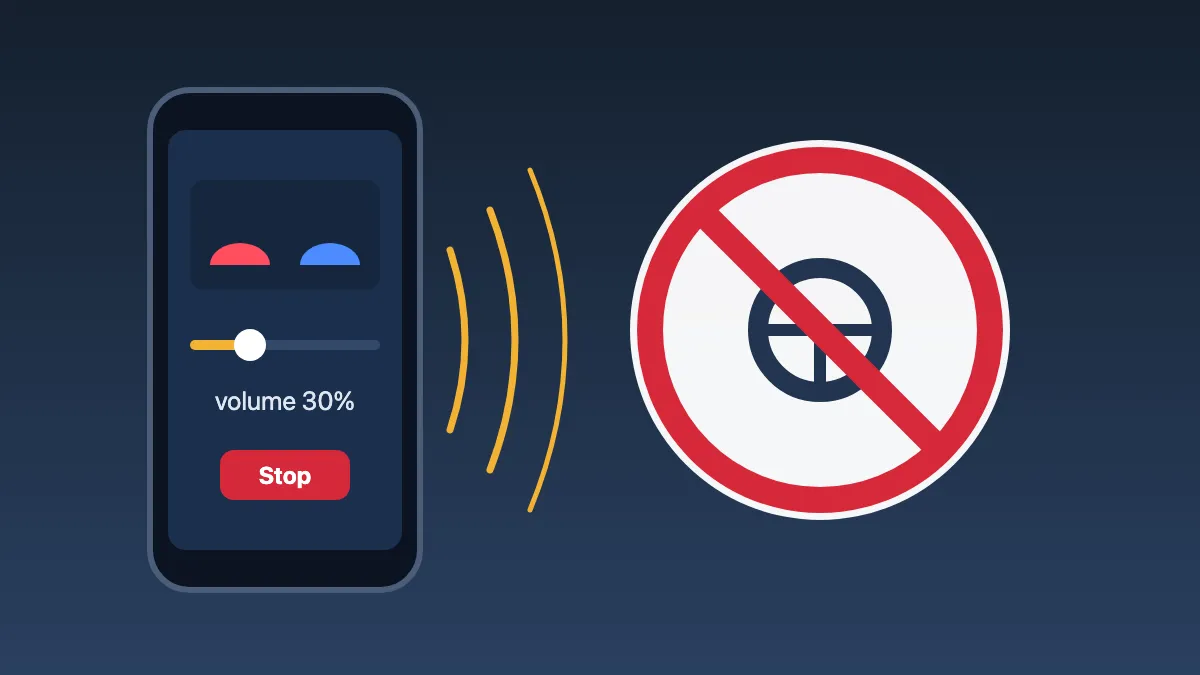
- Start at a low volume and raise it slowly. Our player starts at 30% for this reason.
- Never hold the phone against your ear while a siren plays, and be careful with headphones and earbuds.
- Keep sessions short. Without Loop, the player stops each sound after 10 seconds.
- If your ears ring or feel blocked afterwards, the sound was too loud.
Ringtones and alarms
A siren ringtone or alarm can startle people around you on a bus or in an office, and on a road it can be mistaken for a real vehicle. If you use one, keep it for private settings, such as a wake-up alarm at home, and keep the volume moderate.
And when you hear a real siren
Move aside safely and let it through. In India, failing to give way to an ambulance, fire engine or other notified emergency vehicle is an offence under Section 194E of the Motor Vehicles Act, with a fine of ₹10,000, up to six months in prison, or both. In an emergency of your own, call 112, India's single emergency number.
Our promise
This site will not offer “prank” packs, endless siren loops for public playback, or recordings of real police radios. Every sound here is generated in your browser, and the player is built to stop by itself unless you ask it not to. If you think something on the site could be misused, please tell us.
Sources
- Deafness and hearing loss: fact sheet — World Health Organization
- Multi-toned horns can now land you in trouble in Hyderabad (Rule 119) — Telangana Today
- Traffic offences and penalties (Section 194E) — Delhi Traffic Police
- 112 India — Emergency Response Support System
Works for Viral Herb, a herbs company based in Dehradun, and manages and writes for PoliceSirenSound.com.
Spotted a mistake? Tell us.
Read next
Wail, yelp, hi-lo: what each siren sound means
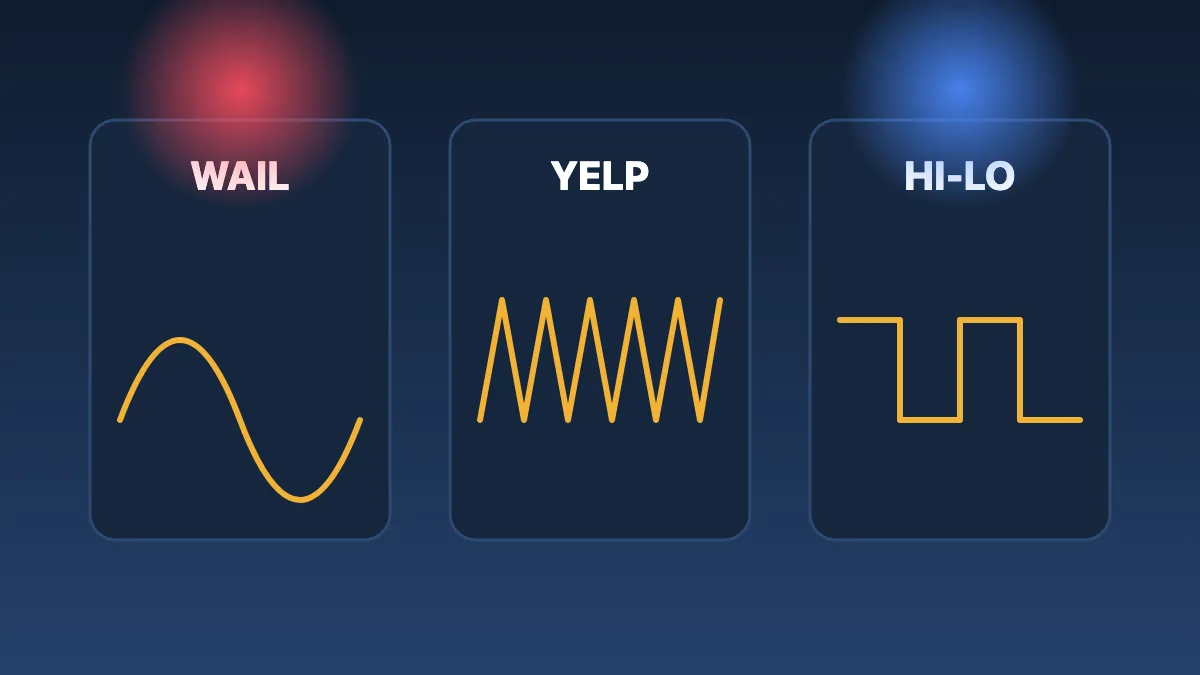
Why an emergency vehicle switches from a slow wail to a fast yelp, with each pattern you can play.
Why a siren changes pitch as it passes you
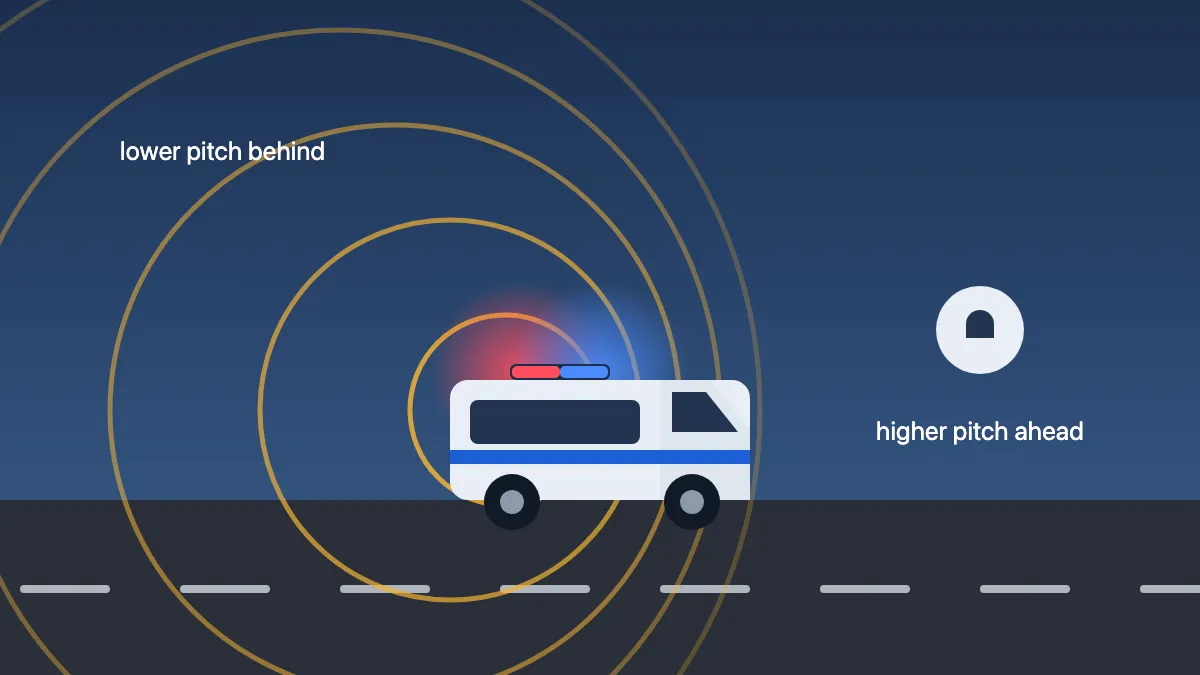
The Doppler effect in plain English, with real numbers and a pass-by you can hear.
Siren sounds by country: why Europe goes “nee-naw” and the US wails
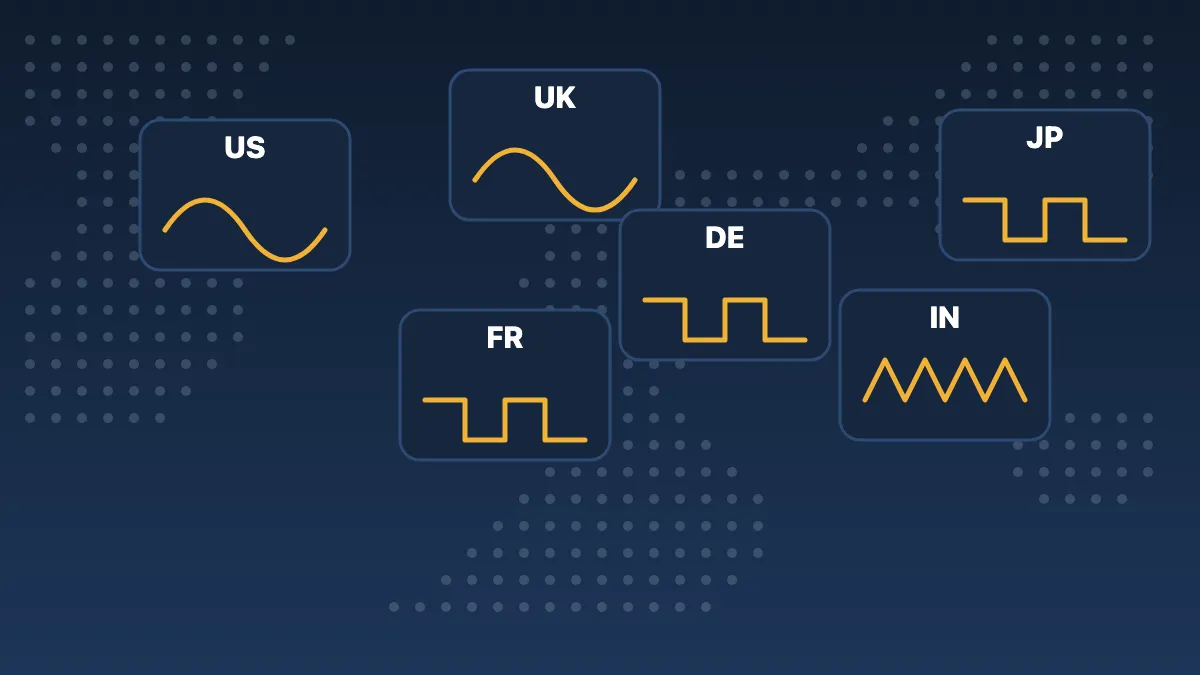
US wail, German Martinshorn, Japanese hi-lo and the rules on Indian roads.


