 By Vikas Thori · Updated 20 November 2026
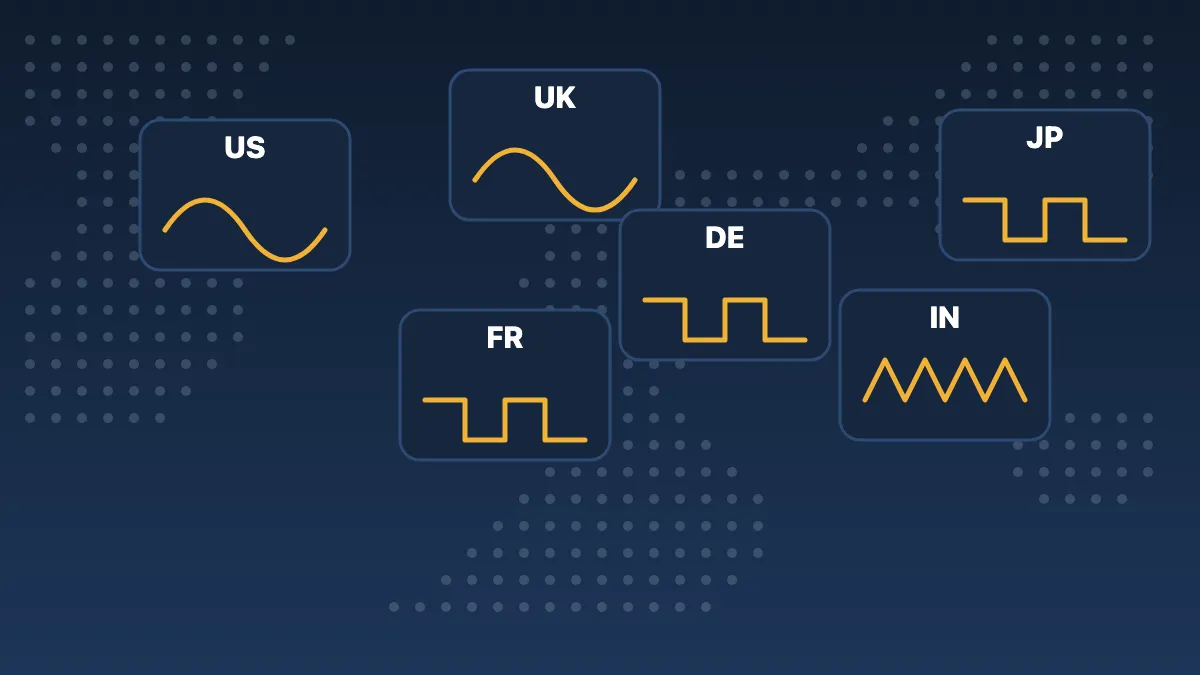
Film and television have taught most of us what an American police siren sounds like, even if we have never been to the United States. Travel a little and you notice that emergency vehicles elsewhere sound different: a steady two-note “nee-naw” in Germany, a bright two-note call from ambulances in Japan, a mix of wail and yelp on Indian roads. The differences come from history, from national rules and standards, and from what local manufacturers sell.
A quick comparison
| Country | Sounds you usually hear | Worth knowing |
|---|---|---|
| United States and Canada | Wail, yelp, phaser, air horn; low-frequency tones on some police vehicles | Mechanical sirens are still common on fire engines |
| United Kingdom | Wail, yelp and fast sweeps; two-tone on some vehicles | Older vehicles used two-tone horns, the source of “nee-naw” |
| Germany and Austria | Two-tone (Martinshorn) | Warning devices are covered by the DIN 14610 standard |
| France | Two-tone, nicknamed “pin-pon” | Pitch and rhythm differ from the German two-tone |
| Japan | Ambulances: hi-lo; police: mostly wail | Vehicles often add spoken announcements through the speaker |
| India | Electronic wail, yelp and hi-lo, plus horns | Sirens and multi-tone horns are allowed only on notified emergency vehicles |
United States and Canada: the wail and the yelp
North American emergency vehicles mostly use electronic sirens with a selector for wail, yelp and a faster phaser or “priority” sweep. A typical response mixes all three: wail on open roads, yelp and phaser near junctions. Many police cars also carry an air horn, and some departments have added low-frequency sirens that send a deep tone through the bodies of nearby cars. Fire departments often keep a mechanical siren as well, whose slow wind-up and long wind-down is one of the most recognisable sounds of an American city.
United Kingdom: from two-tone to wail and yelp
The British phrase “nee-naw” comes from the two-tone horns that ambulances, fire engines and police cars used to carry. Over the following decades most services moved to electronic sirens with wail, yelp and faster sweeps, similar to North America, though two-tone can still be heard on some vehicles.
Germany and Austria: the Martinshorn
In German-speaking countries the emergency warning sound is a two-tone known as the Martinshorn, after the company Max B. Martin that made early versions. German road traffic rules link the use of blue lights and the warning sound to genuine emergencies, and the devices themselves are covered by a national standard, DIN 14610. The result is a sound that is very uniform across the country: two notes, held evenly, alternating at a steady pace. The two-tone on this site follows that style but is not a certified reproduction.
France: “pin-pon”
French children call the siren “pin-pon”, and the name describes it well: another two-note sound, but with a different pitch and rhythm from the German one. As in Germany, the sound is used by fire and police vehicles and is one of the easiest ways for a visitor to tell which country a film was shot in.
Japan: hi-lo ambulances and spoken warnings
Japanese ambulances are known for a two-note hi-lo pattern, often written as “pii-poo”, while police cars mostly use a wail. Japanese emergency vehicles also make heavy use of their loudspeakers for spoken messages, asking drivers to move aside or announcing that the vehicle is turning at a junction.
India: who may use a siren
On Indian roads you will hear electronic wails, yelps and hi-lo patterns from ambulances, fire engines and police vehicles, often mixed with plenty of horn. The rules on who may fit a siren are set by Rule 119 of the Central Motor Vehicles Rules, 1989. It forbids any motor vehicle from carrying a multi-toned horn, or any device giving “an unduly harsh, shrill, loud or alarming noise”, and then allows sirens and multi-toned horns on ambulances, fire engines and vehicles used by the police and other notified services. State traffic police run regular drives against illegal pressure horns and sirens on private vehicles; Hyderabad traffic police, for example, have fined motorists and seized prohibited horns under this rule.
The other side of the rule matters just as much. Since the 2019 amendment of the Motor Vehicles Act, Section 194E makes it an offence to fail to give way to a fire service vehicle, an ambulance or another emergency vehicle notified by the state, with a fine of ₹10,000, up to six months in prison, or both. Gurugram police, for example, have announced online challans backed by video evidence.
Why the differences exist
There is no single international standard for siren sounds. Countries that regulated sirens early, such as Germany, wrote one sound into their rules and kept it. Others left it to manufacturers, so the patterns those companies offered became the norm. Researchers and fire services have long debated which sounds work best; the general finding is that sudden changes in pattern, lower frequencies that pass through car bodies, and lights used together with sound all help, but none of these makes a siren audible to a driver with the windows up and loud music on. That is why every country also asks drivers to keep looking, not just listening.
Listen and compare
All six patterns are on the siren sound player. For what each pattern means on the road, see siren types explained.
Sources
- Siren (alarm) — Wikipedia
- Martinshorn — Wikipedia (German)
- DIN 14610: Sound warning devices for authorized emergency vehicles — DIN
- Multi-toned horns can now land you in trouble in Hyderabad (Rule 119) — Telangana Today
- Traffic offences and penalties (Section 194E) — Delhi Traffic Police
- Gurugram police: ₹10,000 fine for blocking emergency vehicles — Tribune India
Works for Viral Herb, a herbs company based in Dehradun, and manages and writes for PoliceSirenSound.com.
Spotted a mistake? Tell us.
Read next

Wail, yelp, hi-lo: what each siren sound means
Why an emergency vehicle switches from a slow wail to a fast yelp, with each pattern you can play.
Why a siren changes pitch as it passes you
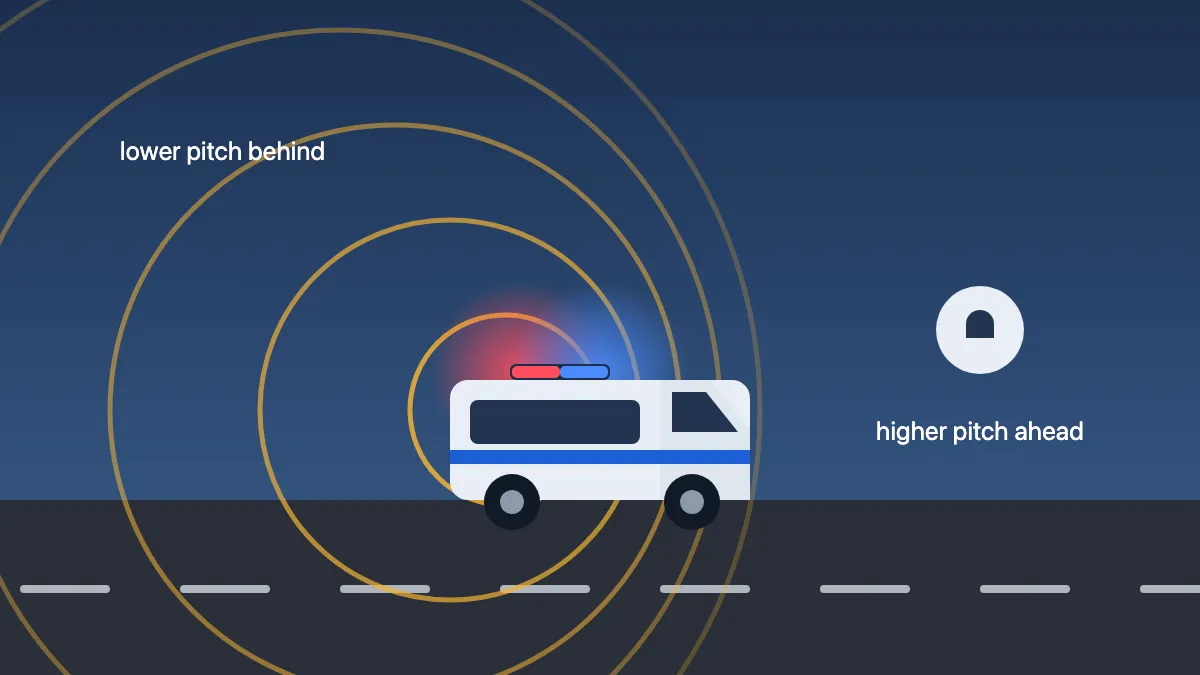
The Doppler effect in plain English, with real numbers and a pass-by you can hear.
Siren sounds for videos, games and pranks: how to use them responsibly
Fine for videos and lessons, never while driving: a short guide to using siren sounds safely.


